Hairstyles For Your Face Shape
The best hairstyles for your face shape are the ones that balance its proportions. Pick your shape below to see which of the 39 cuts do that, then try them on your own photo. Not sure which shape you are? Measure it in four steps.
What is your face shape?
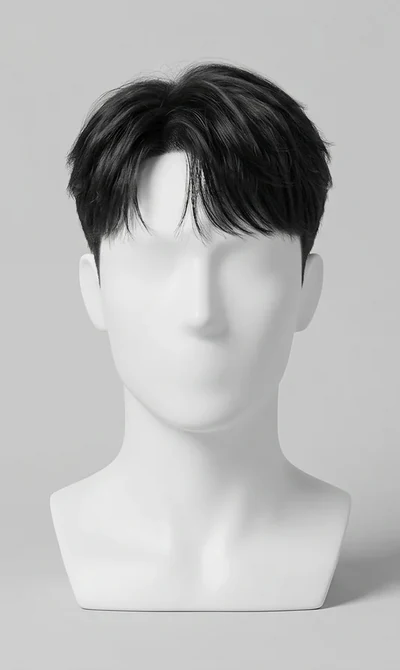
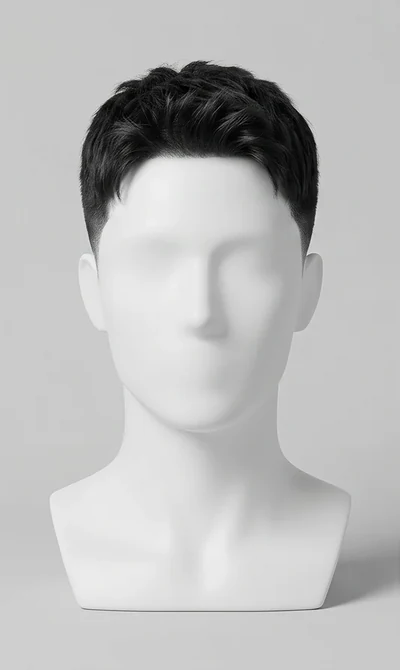
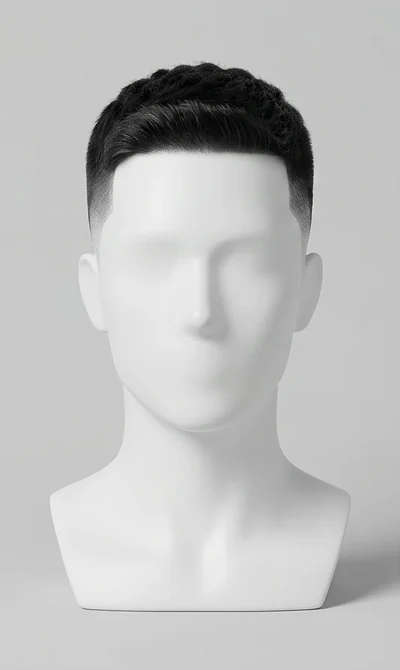
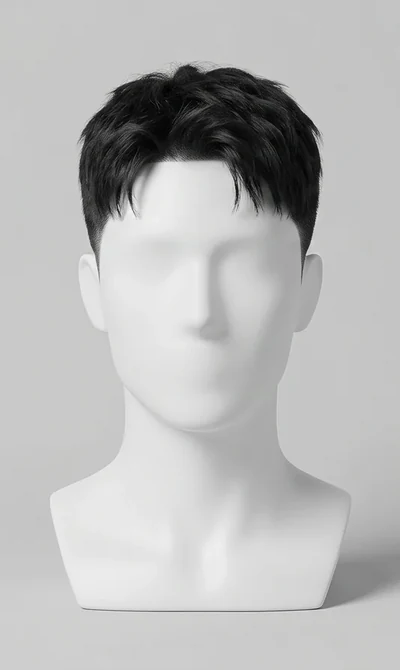
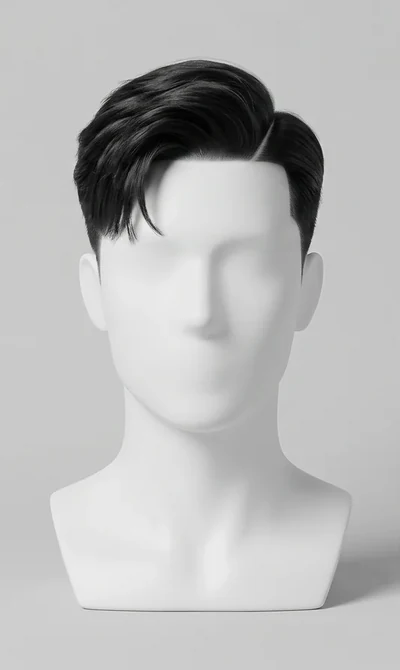
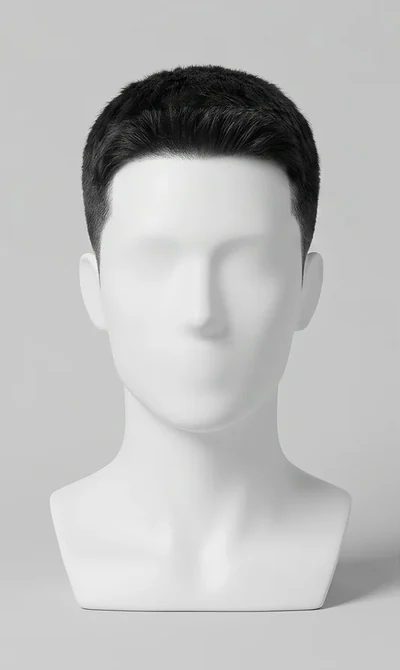
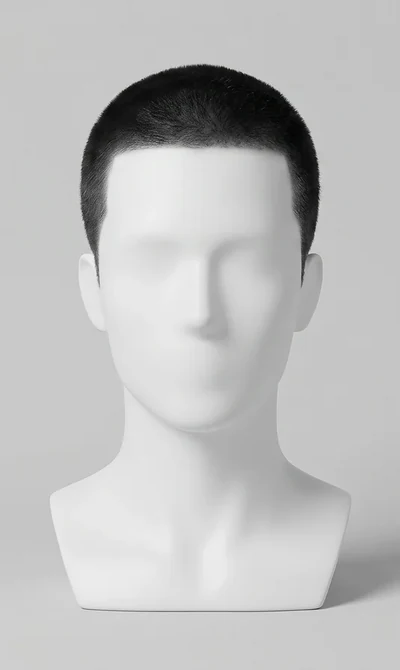
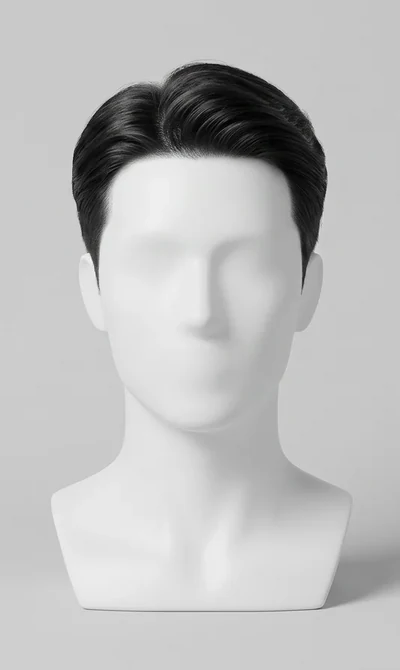
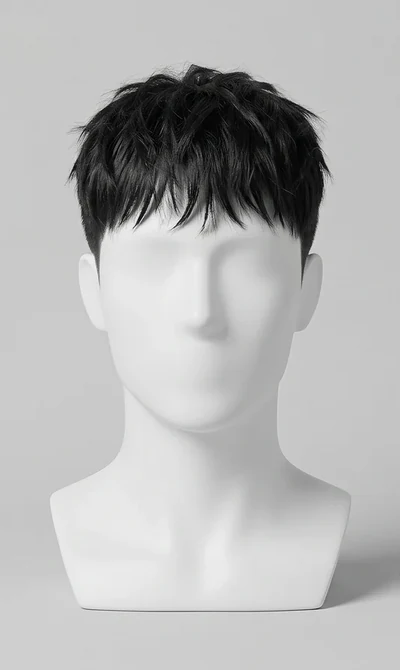
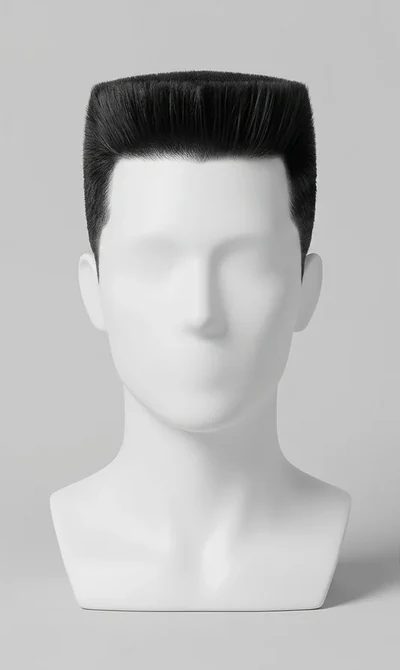
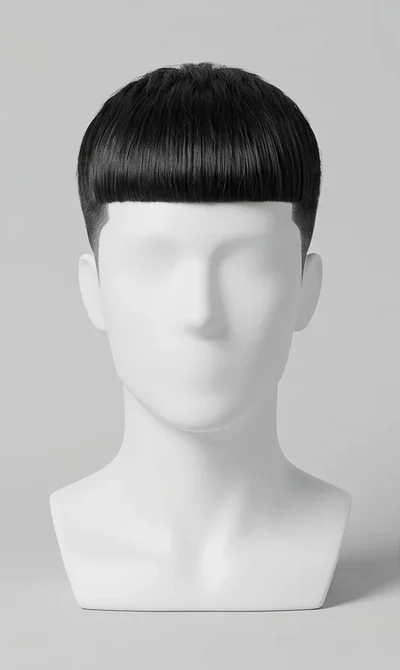
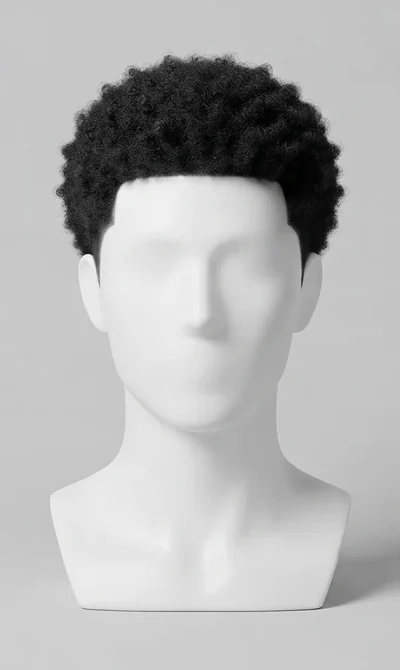
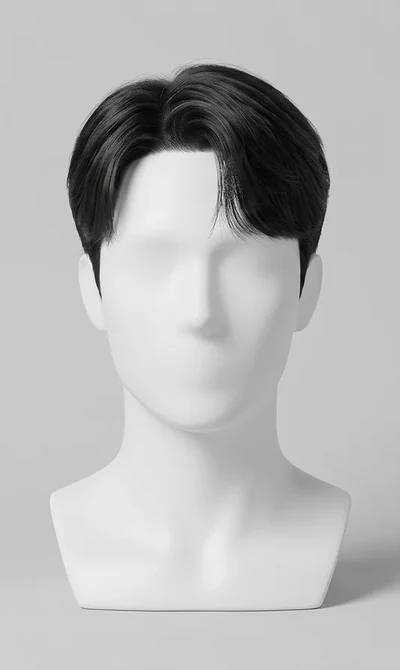
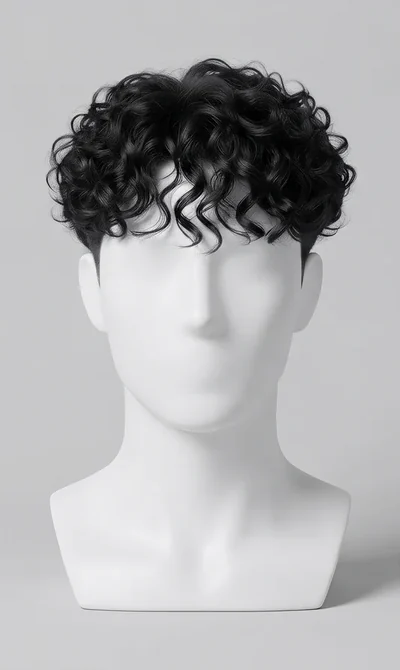
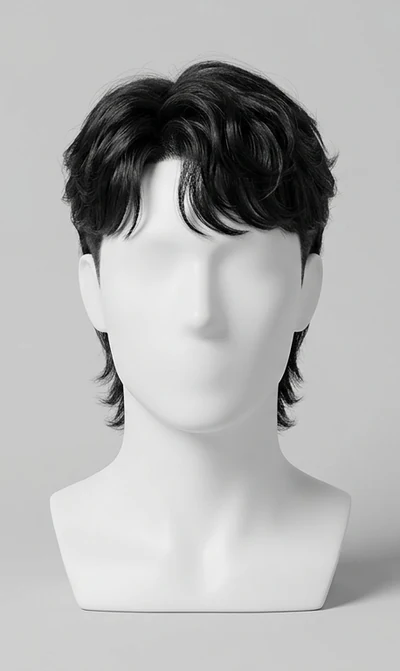
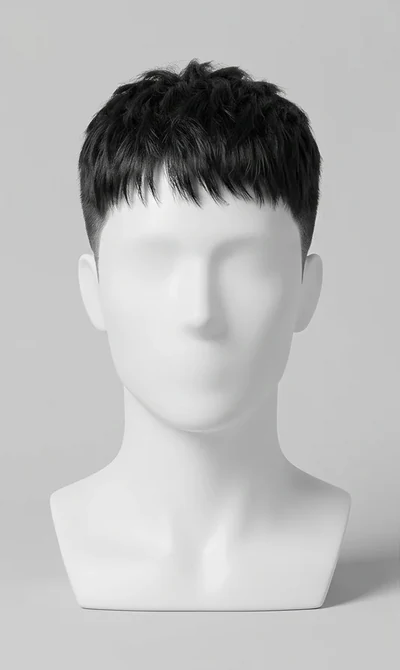
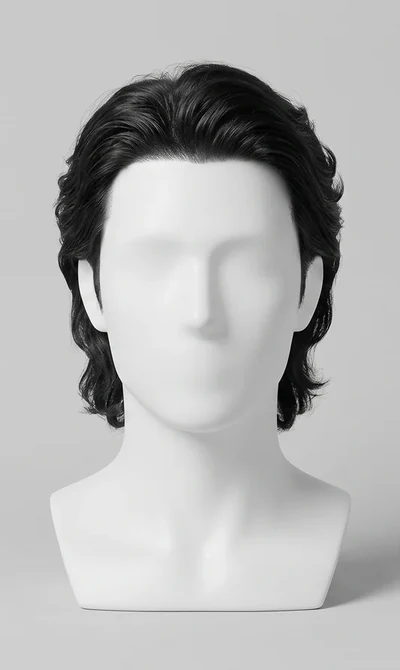
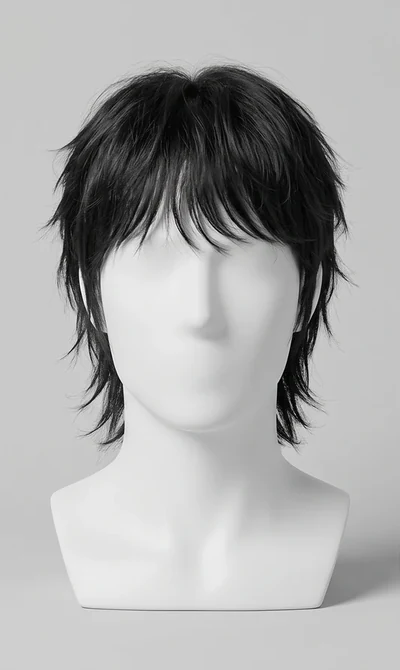
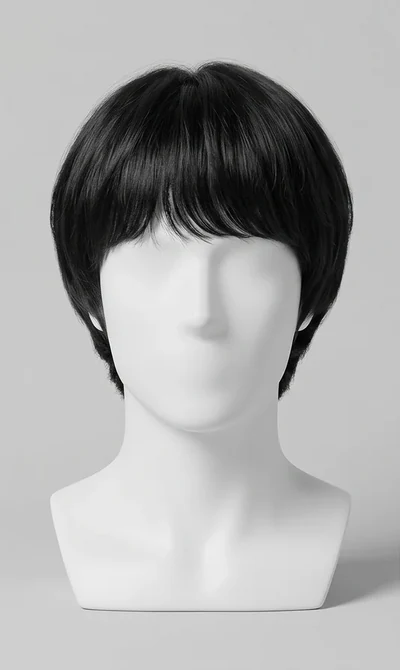
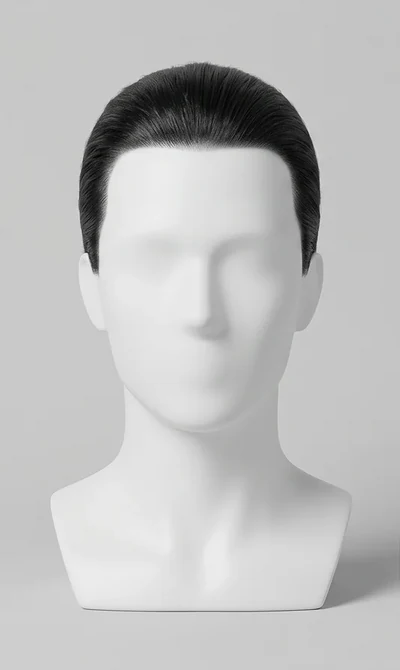
How to measure your face shape
Four measurements in a mirror. Whichever comes out widest decides most of the answer, and that answer is what picks the hairstyles for your face shape.
Forehead width
Across the widest point, roughly halfway between your brows and your hairline. This is the measurement hair can actually change the look of.
Cheekbone width
From the outer corner of one eye straight across to the other.
Jawline width
From below one ear to the tip of the chin, then double it.
Face length
From the centre of your hairline straight down to the bottom of your chin.
Hairstyles for your face shape, one shape at a time
Oval
- How to spot it
- Slightly longer than it is wide, forehead a touch broader than the jaw, and the line from cheekbone to chin curves with no hard corner.
- What to aim for
- Oval is already balanced, so almost any cut works and the decision comes down to hair type and upkeep rather than geometry. The one thing to watch is a heavy fringe, which can shorten the forehead enough to throw the balance off.
- Cuts to try first
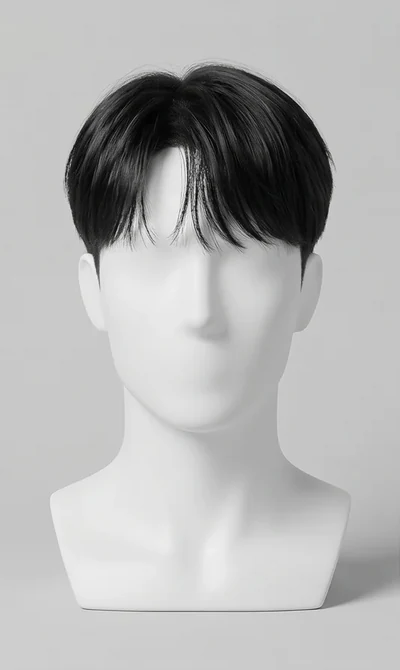
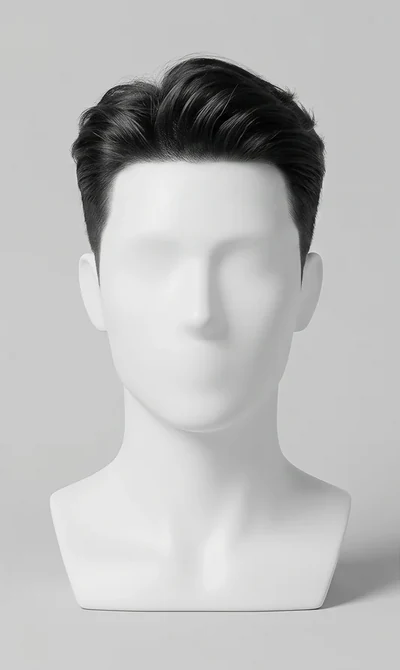
- Textured crop, side part, quiff, Korean taper fade, and most things in between.
- What fights the shape
- A long blunt fringe sitting low on the forehead, which is the one shape that undoes the natural balance.
Round
- How to spot it
- Width and height are close to equal, cheeks are the widest point, and the jawline curves rather than turning a corner.
- What to aim for
- Add height on top and keep the sides tight. Volume above the forehead lengthens the face; volume at the sides widens exactly the part that is already widest.
- Cuts to try first
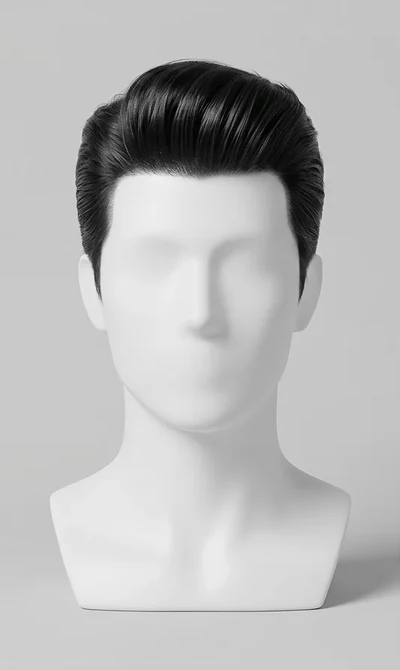
- Pompadour, quiff, high skin fade, spiky hair: anything that builds upward on a narrow base.
- What fights the shape
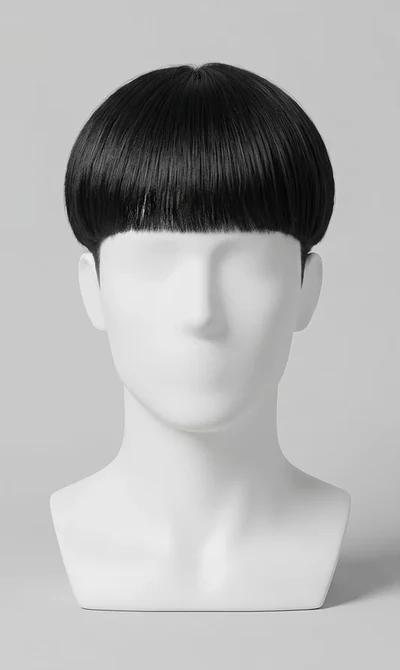
- Bowl cuts, mop tops and blunt fringes, which add width at the temples and echo the curve of the face.
Square
- How to spot it
- Forehead, cheekbones and jaw are close to the same width, the jaw turns a distinct corner, and the face is about as wide as it is long.
- What to aim for
- You have the bone structure most cuts are trying to fake, so the job is to show it rather than soften it. Short sides expose the jaw; a little length on top stops the whole head reading as a block.
- Cuts to try first
- Short taper fade, tapered buzz cut, textured crop, slick back: short, clean, structural.
- What fights the shape
- Heavy square fringes and boxy volume, which square off a jaw that is already square.
Rectangle
- How to spot it
- The same straight sides and cornered jaw as a square, but noticeably taller than it is wide.
- What to aim for
- The angular jaw is an asset; the extra length is not. Keep the top short and let a little weight sit at the sides. The opposite of the advice for a round face.
- Cuts to try first
- Textured crop, Edgar cut, curtain bangs: anything that puts weight forward rather than upward.
- What fights the shape
- Pompadours, quiffs and anything tall: height stretches a face that is already long.
Heart
- How to spot it
- The forehead is the widest part and the face narrows steadily to a small, often pointed chin, sometimes with a widow’s peak.
- What to aim for
- Break up the width of the forehead and avoid piling height on top of it. Something falling forward does more here than anything swept back.
- Cuts to try first
- Curtain bangs, textured crop, shag, medium length with movement.
- What fights the shape
- Slicked-back styles and tall quiffs, which expose the full width of the forehead and exaggerate the taper.
Diamond
- How to spot it
- Cheekbones are the widest point, with a narrower forehead and a narrow chin. The face tapers in both directions from the middle.
- What to aim for
- Add width at the forehead and keep the sides off the cheekbones. Fringes work; anything that flares at the temple does not.
- Cuts to try first
- Curtain bangs, textured crop worn forward, fringe styles with a little weight at the front.
- What fights the shape
- Volume at the sides and tight fades that leave the cheekbones as the only wide point.
Triangle
- How to spot it
- The jaw is the widest part of the face, narrowing as it rises to a comparatively small forehead.
- What to aim for
- Build volume up top to balance a heavy jaw. This is the one shape where a genuinely big hairstyle is the correct answer.
- Cuts to try first
- Pompadour, quiff, spiky hair, textured volume: height and width at the crown.
- What fights the shape
- Buzz cuts and tight fades, which strip away the only counterweight to the jaw.
Long
- How to spot it
- Distinctly longer than it is wide, with a high forehead and a chin that sits well below the cheekbones.
- What to aim for
- Cut the vertical. Keep the top short, let the sides carry some weight, and use a fringe to shorten the forehead.
- Cuts to try first
- Edgar cut, bowl cut, textured crop: low, forward, horizontal.
- What fights the shape
- Pompadours, high fades and long straight hair, all of which draw the eye further up or further down.
Face shape haircut questions
What are the best hairstyles for your face shape?
The principle behind hairstyles for your face shape is balance, and for hair it runs vertically. If your face is round or wide, build height on top and keep the sides short. That lengthens it. If your face is long or rectangular, do the reverse: keep the top low and let a fringe shorten the forehead. Pick your shape above for the specific cuts that follow from that.
How do I work out my face shape?
The hairstyles for your face shape depend on knowing which shape you are. Measure four things in a mirror: forehead width, cheekbone width, jaw width and face length. Whichever is widest tells you most of the answer, widest at the forehead is heart, at the cheekbones is diamond, at the jaw is triangle. If all three widths are similar, you are round when the jaw curves and square when it corners. Noticeably longer than wide makes it oval, rectangle or long depending on how soft the jaw is.
Does face shape actually matter when choosing a hairstyle?
Face shape matters, but less than hair type does. A cut that suits your face shape on paper will still disappoint if your hair is too fine to hold it or too curly to sit that way. Treat it as the filter that narrows the hairstyles for your face shape down to about five, then judge those five on your own photo.
What if my face is between two shapes?
Most are. Pick the closer of the two and treat the hairstyles for your face shape as the overlap between them, where they agree, that is your safest cut. Between oval and rectangle, for example, a textured crop suits either.
Can a hairstyle really change how my face looks?
It cannot change your bone structure, but it changes the outline people read your face against, and that outline is most of the impression. Height on top genuinely makes a round face look longer; a fringe genuinely makes a long face look shorter. That is the whole basis for choosing hairstyles by face shape.
How do I see a haircut on my own face?
Upload a photo to the try-on and pick any of the 39 cuts. The AI renders it onto your own head, so you are judging it against your real hairline and features rather than a model's.
See the hairstyle on your own head
Face shape narrows 39 hairstyles down to about five. Your own photo settles which of those five is actually yours.